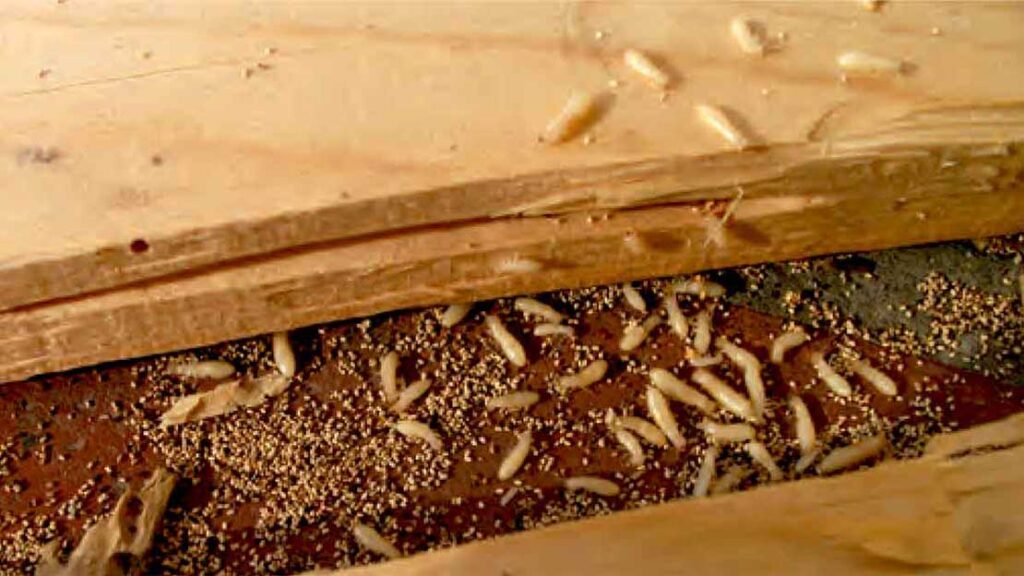
Termite Removal Services by Pest Control Xperts in Placentia
Serving homes, apartments, dormitories, hotels, and healthcare offices throughout Placentia, Villa Park, California, and Surrounding Areas
Termite Treatment & Inspection in Placentia, California
Professional Termite Control for Placentia, Fullerton & Yorba Linda: Definitive Termite Exterminator and Structural Wood Preservation
You find a pencil-thin mud tube creeping up your foundation or discover a small pile of sand-like pellets on your windowsill. That moment of discovery triggers instant fear. You may clean it away or spray a spot treatment, hoping for the best. Yet, this quick action provided a temporary **illusion of control undone by the hidden colony** silently eating your home from the inside out. For property owners in **Placentia, California**, and nearby communities like **Fullerton**, **Yorba Linda**, and **Anaheim Hills**, a **Termite infestation** is a year-round threat that can lead to severe **structural damage**. At **Placentia Pest Control Xperts**, we understand that your house is your most valuable asset. We provide expert **Termite control** that uses advanced, targeted **professional Termite treatment** to eliminate the colony at its source and secure the integrity of your structure.
Why Termite Appear in Placentia and Surrounding Communities
The North Orange County region is a hotspot for multiple types of **wood-destroying insects**. The mild climate, moisture factors, and specific local architecture combine to create perfect conditions for **Termite infestation** to take hold and persist, necessitating specialized **pest control for Termite**.
Local Climate and Geographical Triggers
- Year-Round Subterranean Threat: The mild, non-freezing climate of **Placentia** and **Fullerton** allows **subterranean Termite** colonies to remain active and forage 24/7. These pests live in the soil beneath your home and require constant moisture, with swarms often occurring after winter rains.
- Coastal Moisture and Drought Stress: While Placentia is inland, consistent landscape irrigation and local water retention areas (like near **Tri-City Park**) create microclimates of moisture ideal for **subterranean Termites**. Simultaneously, the hot, dry climate causes **wood-destroying insects** like **drywood termites** to swarm during the summer and fall.
- Tree Vulnerability: The presence of damaged or stressed trees (e.g., from the **Polyphagous Shot Hole Borer** found in Orange County) provides ample decaying wood for **Dampwood Termites** and other beetles, increasing the regional pressure on homes.
Architecture and Infestation Vulnerabilities
- Historic Home Gaps: Older structures, particularly near the historic **George Key Ranch** and the core of **Placentia**, often feature aging foundations, poor crawl space ventilation, and original wood components. These structural flaws provide easy **entry points** and conducive conditions for both **Drywood** and **Subterranean Termites**.
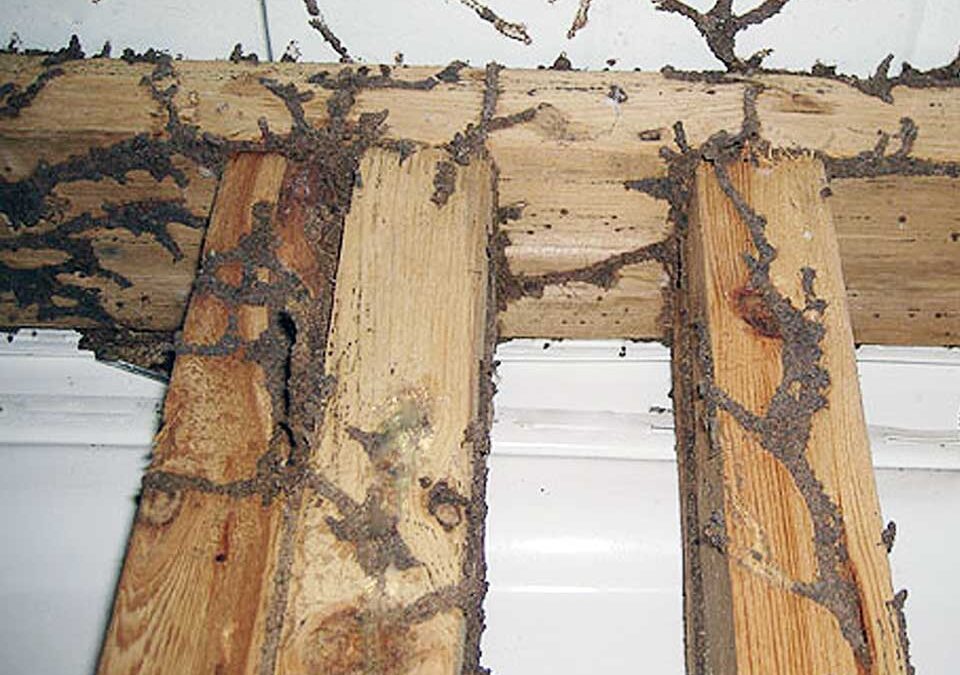
- Wood-to-Soil Contact: Many properties, particularly decks, fences, and older homes near the ground, have direct wood-to-soil contact. This creates an open invitation for **subterranean Termites** to build their protective **Termite trails** (mud tubes) into the structure.
- Attic and Eave Vulnerability: Homes throughout **Yorba Linda** and **Anaheim Hills** are susceptible to **Drywood Termite** infestations in the roof structure, fascia, and eaves. Swarmers are attracted to exposed wood in these high, dry areas during their seasonal flight, easily establishing **Termite nests** without any soil contact.
Types of Termite Commonly Found in the Orange County Region
There are no pests known as “carpenter Termite” or “pharaoh Termite.” The primary threats requiring expert **Termite control** in Orange County are the **Drywood** and **Subterranean Termites**, each with a distinct and destructive profile.
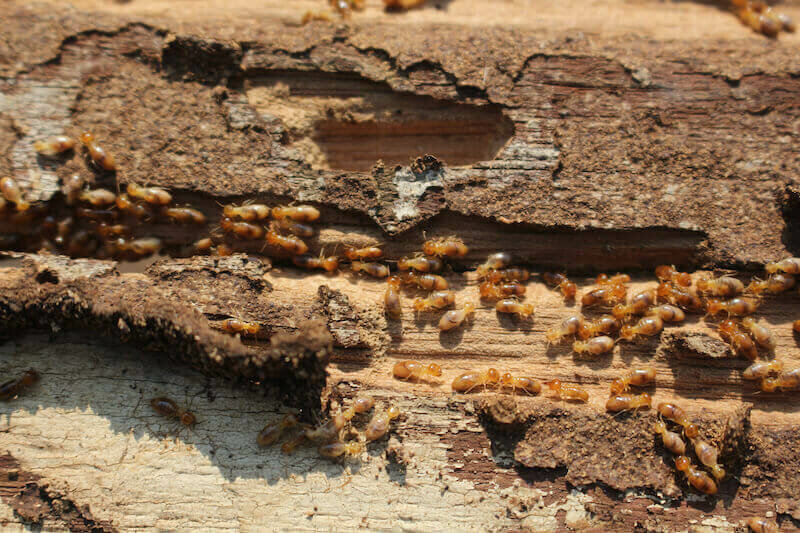
Subterranean Termites (Reticulitermes spp.)
- Identification: Workers are pale white; swarmers are dark with wings of unequal size that they shed after swarming.
- **Behavior:** They live in massive **colony elimination** underground, sometimes numbering in the millions. They build distinctive **Termite trails** (mud tubes) from the soil to the wood to protect themselves from dry air.
- **Risk:** They cause extremely rapid and widespread **structural damage**, creating a honeycomb-like structure inside the wood and leaving dirt behind. They are responsible for the vast majority of **Termite damage** in the region.
Drywood Termites (Incisitermes spp.)
- Identification: Workers are not seen; they are identified primarily by their **frass**. The **frass** is tiny, hard, hexagonal fecal pellets that accumulate in small piles below their kick-out holes.
- **Behavior:** They live entirely within the dry wood they infest, requiring no contact with soil or external moisture. They form smaller, multiple **satellite colonies** within the structure.
- **Risk:** They cause slow but severe localized **structural damage** in eaves, framing, and furniture. Finding **frass** is the telltale **sign of a major Termite infestation**.
Problems Termite Create for Homes and Businesses
An undetected **Termite infestation** in **Placentia** poses a continuous and escalating risk to your financial security and property integrity, making **Termite removal** a crucial service.
- Catastrophic Structural Damage: Termites are silent destroyers. They consume cellulose 24/7, compromising wood beams, support posts, and framing, which can lead to expensive **structural damage** and potentially structural failure if left unchecked.
- Compromised Property Value: Discovery of active **Termite infestation** or historical **Termite damage** significantly impacts the **trustworthiness** and value of a property, often creating hurdles during real estate transactions where a clear **Termite inspection** report is mandatory.
- Unseen Expense: **Termite Problems** require specialized materials and complex techniques for repair and **treatment**. Waiting even a few months after finding **signs of a major Termite infestation** can translate into thousands of dollars in additional repair **structural damage**.
- Moisture-Related Damage: The presence of **Dampwood Termites** is a definitive sign of underlying moisture problems, which also leads to dry rot and fungal growth, compounding the **structural damage** caused by **wood-destroying insects**.
Signs of an Escalating Termite Infestation
**What are the signs of a major Termite infestation?** Recognizing these indicators immediately is the most crucial step in minimizing **Termite damage** to your home in **Placentia** or **Yorba Linda**.
- 1. Mud Tubes or Termite Trails: Pencil-sized tunnels made of mud and dirt running along foundations, sub-floors, or interior walls. This is definitive proof of active **subterranean Termite** movement.
- 2. Discarded Wings: Finding small piles of translucent, shed wings, often near windowsills, door frames, or heating vents. Swarmers shed their wings after finding a mate and establishing a new **Termite colony**.
- 3. Frass (Fecal Pellets): Tiny, sand-like, hard, hexagonal pellets found in small piles, often on windowsills, floors, or horizontal wooden surfaces. This is the telltale sign of **Drywood Termite** activity.
- 4. Hollow-Sounding or Damaged Wood: Tapping on wood that sounds dull or hollow. Look for bubbling or peeling paint that is not water damage. This indicates termites have consumed the interior, leaving only a thin veneer of wood or paint on the surface.
- 5. Pinholes in Wood or Drywall: Tiny, almost undetectable holes in the surface, which are often the “kick-out” holes used by **Drywood Termites** to expel their **frass**.
Why Professional Extermination is Essential for Termite Removal
The secretive, subterranean nature of termites makes DIY efforts futile. Attempting to **get rid of Termite** with store-bought sprays or foams provides a deceptive **illusion of control undone by the hidden, protected Termite colony** that remains safe below ground.
The Fatal Flaw of DIY Termite Control
- Repellent Barrier Failure: Consumer products only create a repellent barrier that kills a few termites but forces the rest of the **Termite colony** to simply navigate around the treated area to find an untreated **entry point**, continuing the **infestation** elsewhere in your home.
- Failure to Reach the Colony: **Subterranean Termite** queens and the primary nest are deep in the soil. Surface spraying cannot reach the **colony elimination** point, meaning the swarmers are simply replaced immediately by the endless breeding cycle.
- Misidentification and Wrong Treatment: Termites are often mistaken for flying **ants**. The homeowner then applies **ant treatment** which is completely ineffective against termites, allowing the **wood-destroying insects** to continue their damage unabated for months.
- Long-Tail Answer: **How to get rid of Termite in the house quickly?** The only reliable way is through a **professional Termite treatment** that eradicates the entire **Termite colony** at its source, either through a non-repellent soil barrier or targeted **Termite baiting systems**.
The Professional IPM Solution: Colony Elimination at the Source
**Placentia Pest Control Xperts** utilizes an **Integrated Pest Management (IPM)** approach that targets the entire **Termite colony**, focusing on deep penetration and long-term structural security. This is the only way to achieve definitive **Termite removal**.
- **Non-Repellent Soil Treatment:** We use professional-grade, non-repellent liquid products that termites cannot detect. Termites forage through this treated zone, unknowingly carrying the material back to the **Termite colony**, resulting in comprehensive **colony elimination** below ground.
- **Targeted Baiting Systems:** We install and monitor specialized **Termite baiting systems** around the perimeter. Termites consume the bait and share it with the queen, stopping the reproductive cycle entirely. This is highly effective for both **subterranean** and **Drywood Termites**.
- **Localized Professional Termite Treatment:** For **Drywood Termites**, we utilize targeted treatments like botanical injection products, or the non-chemical use of thermal **heat treatment** for attic or structural sections where the **infestation** is isolated.
Our Termite Removal Method: A Strategic, Definitive Process
Our systematic method for **Termite control** is built on the highest level of structural **expertise** and regional **experience**, ensuring a permanent solution for your **Placentia** property.
Step 1: Comprehensive Termite Inspection and Damage Assessment
Our process begins with a meticulous **Termite inspection** of your structure in **Placentia** or **Yorba Linda**. We use moisture meters, sounding techniques, and years of **expertise** to locate active mud tubes, **frass**, **entry points**, and areas of hidden **structural damage**, focusing on crawl spaces, attics, and foundation vulnerabilities.
Step 2: Customized Professional Termite Treatment Plan
We develop a customized **pest management** plan tailored to the specific **Termite Species** and the architecture of your home. This plan specifies the application of non-repellent liquid soil barriers (for subterranean), localized spot **treatment** (for drywood), or the use of **Termite baiting systems** to achieve definitive **colony elimination**.
Step 3: Precise Treatment Execution and Colony Elimination
We execute the **professional Termite treatment** plan with precision, ensuring the chosen material reaches the heart of the **Termite infestation**. This may involve creating a continuous liquid barrier around the foundation or meticulously injecting product into **Drywood Termite** galleries to stop the **wood-destroying insects** at the source.
Step 4: Structural Repair, Exclusion, and Monitoring
Following **extermination**, we advise on necessary structural repairs to wood decay caused by **Termite damage**. We implement structural **exclusion techniques** to address poor grade and wood-to-soil contact. We install monitoring stations and conduct regular follow-up **Termite inspection** services to verify the effectiveness of the barrier and ensure lasting **Termite prevention**.
Why Placentia Relies on [City] Pest Control Xperts
We are North Orange County’s premier authority for **Termite control**. Our **expertise** is rooted in understanding that both **Subterranean** and **Drywood Termites** are active threats here. We provide **trustworthiness** by focusing on non-repellent, **colony elimination** strategies, ensuring safe structural treatment that protects your home for the long term. Our systematic approach and meticulous attention to **Termite inspection** provide the definitive solution you need.
Do not let the fear of **Termite damage** paralyze you, leading to mounting repair expenses. That mud tube or pile of **frass** is a definitive sign that your past **DIY methods have been an illusion of control undone by the hidden, relentless colony**. **Placentia Pest Control Xperts** is ready to apply the specialized **expertise** and the definitive **professional Termite treatment** required to **get rid of Termite** completely, securing the structural integrity and value of your property. Contact us for an immediate consultation.
Service Area Reminder: We proudly serve **Termite control** clients throughout **Placentia**, **Fullerton**, **Yorba Linda**, **Brea**, and **Anaheim Hills**. The relevant zip codes include 92870, 92871, 92831, 92832, 92821, and 92807.
Related Topics in Termite Control
The Critical Difference: Subterranean vs. Drywood Termite Treatment
**Termite control** requires accurate identification. **Subterranean Termites** are managed by creating a treated soil barrier around the foundation to achieve **colony elimination**. **Drywood Termites** are managed with localized injections of **professional Termite treatment** into the wood itself, or sometimes by full **fumigation**. Mistaking one for the other leads to costly, ineffective **pest control for Termite** and continued **structural damage**.
Termite Baiting Systems: Eliminating the Termite Colony Without Tenting
**Termite baiting systems** provide an effective, non-disruptive method for **colony elimination**. These systems are installed around the perimeter and contain a slow-acting material that foraging **wood-destroying insects** consume and carry back to the nest, eliminating the **queen** and the **Termite colony**. This method is often preferred in **Placentia** homes and businesses that wish to avoid the inconvenience of **fumigation**.
Structural Vulnerability: Wood-to-Soil Contact and Termite Entry Points
Any wood that contacts the soil provides a clear **entry point** for **subterranean Termites** to build their protective mud tubes. Our **Termite inspection** meticulously checks for and advises on correcting poor grade, buried wood debris, and improper landscaping. Eliminating wood-to-soil contact is a critical **exclusion techniques** step in long-term **Termite prevention**.
The Role of Moisture Control in Preventing Termite Damage
Excess moisture in crawl spaces, basements, and around foundations attracts both **subterranean Termites** and **Dampwood Termites**. Our **pest control for Termite** includes assessing ventilation and drainage issues, as resolving moisture problems is a fundamental component of **Termite prevention** and stops the conditions that invite **wood-destroying insects** to create **Termite nests** near your home.
Termite Inspection Frequency: Protecting Your Property from Termite Damage
**What are the signs of a major Termite infestation?** Unfortunately, by the time the signs are obvious (**frass**, swarmers, buckling paint), **Termite damage** is often extensive. Annual **Termite inspection** by a professional **Termite exterminator** is the only reliable form of **Termite prevention**, catching the hidden activity before it results in major **structural damage** that requires significant repair.
Heat Treatment for Drywood Termites: A Non-Chemical Solution
For contained **Drywood Termite** infestations, particularly in attics or isolated sections of a home in **Yorba Linda** or **Anaheim Hills**, thermal **heat treatment** offers a non-chemical **professional Termite treatment**. By raising the air temperature to a sustained, lethal zone, the heat penetrates the wood and achieves **colony elimination** of all **wood-destroying insects** without the disruption or residual concerns of a chemical approach.